A little "dog smell" is part of living with a dog, but it shouldn't take over your home. The good news is that most dog odour comes from a few predictable sources, and you can fix it without heavy air fresheners that simply mask the smell and may irritate your dog's sensitive nose. Here is how to find where the smell is coming from and get rid of it, safely.
How to get rid of dog smell at home
Find the source first: usually the coat, bedding, soft furnishings or a health issue such as ears or teeth. Bathe your dog every 3 to 6 weeks with an odour-neutralising dog shampoo and dry them completely, wash bedding weekly, vacuum and air out rooms daily, and use a waterless shampoo between baths. Avoid strong aerosol sprays and essential oil diffusers around pets.
Why Does My Dog Smell?
Dogs have natural oils on their skin that keep the coat healthy. When those oils build up, or mix with moisture, dirt and the yeast and bacteria that normally live on skin, they produce that familiar doggy smell. It gets stronger when the coat stays damp, which is why dogs often smell worse in the monsoon or after a walk in the rain. Bedding and sofas then absorb the smell and release it back into the room.
Find the Source: What the Smell Is Telling You
| Type of smell | Likely source | What to do |
|---|---|---|
| General "doggy" smell | Oil and dirt build-up on the coat | Bathe with an odour-neutralising shampoo; brush regularly |
| Musty, damp smell | Coat not fully dried after a bath, rain or swim | Towel and blow-dry on a cool setting, especially the undercoat |
| Smelly room, clean dog | Bedding, sofa, rugs, curtains | Wash bedding weekly; vacuum and air out soft furnishings |
| Yeasty or sour smell from ears | Possible ear infection | See your vet |
| Bad breath | Dental disease | Brush teeth regularly; ask your vet about a dental check |
| Fishy smell from the rear | Anal glands | See your vet or groomer |
9 Pet-Safe Ways to Get Rid of Dog Smell at Home
1. Bathe with an odour-neutralising shampoo
A regular shampoo cleans the coat, but many simply add perfume over the smell. An odour-neutralising shampoo targets the compounds that cause the smell, so your dog stays fresh for longer. Learn the difference in odour-neutralising vs scent-masking pet shampoo and how deodorising dog shampoo works.
2. Don't over-bathe
Most dogs need a bath every 3 to 6 weeks. Bathing too often strips natural oils, and the skin can respond by producing more oil, which brings the smell back faster. Our guide on how to bathe a dog at home covers the right routine.
3. Dry the coat completely
A damp coat is the most common cause of a musty dog smell. After every bath, rain or swim, towel dry and then use a blow dryer on a cool setting until the undercoat is dry to the touch.
4. Use a waterless shampoo between baths
For a quick refresh after a walk, a waterless dog shampoo cleans and deodorises the coat without getting your dog wet, so there is no damp undercoat to worry about.
5. Brush regularly
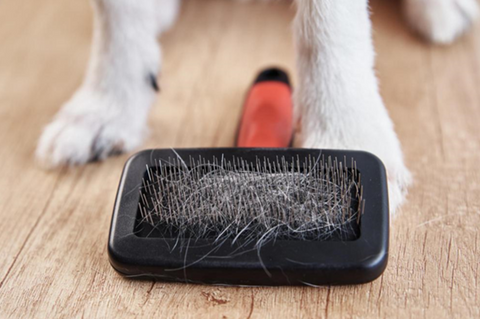
Brushing removes loose hair, dander and dirt before they settle into your furniture. A deshedding brush is especially useful for double-coated breeds.
6. Wash bedding every week
Your dog's bed, blankets and favourite cushions hold more odour than anything else in the house. Wash them weekly in hot water with a mild, unscented detergent and dry them fully in the sun if you can.
7. Vacuum and air out the house
Vacuum sofas, rugs and carpets a few times a week. For carpets, sprinkle baking soda, leave it for 15 to 30 minutes while your dog is out of the room, then vacuum. Open windows daily, even for 10 minutes, to let fresh air move through.
8. Skip strong air fresheners
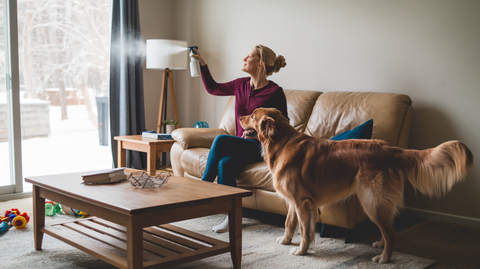
Aerosol sprays, plug-ins, scented candles and essential oil diffusers only cover up the smell, and many release chemicals that can irritate your dog's nose and airways. Some essential oils, such as tea tree, are toxic to pets. Fresh air and a clean dog work better.
9. Keep paws, ears and teeth clean
Wipe paws after walks, check and clean ears as your vet advises, and brush your dog's teeth regularly. These small areas cause a surprising share of household odour.

Odour Control That Lasts
Made with Aloe Vera, Neem and Hibiscus, Petterati Silky Coat Shampoo cleans the coat and neutralises odour at the source, leaving fur soft and shiny. pH optimised and dermatologically tested.
Shop Silky Coat Shampoo →When Dog Smell Is a Sign of a Health Problem
If your dog smells bad again within a few days of a bath, or the smell is strong, yeasty, fishy or rotten, it may not be a grooming problem. Ear infections, skin infections, dental disease and anal gland issues all cause odour, and they need a vet. Itchy, smelly skin can also point to allergies, covered in our guide to itchy skin in dogs.
Frequently Asked Questions
Why does my house smell like dog even after cleaning?
The smell usually comes from where your dog spends the most time: bedding, sofas, rugs and the coat itself. Washing the bedding weekly, vacuuming soft furnishings and keeping your dog's coat clean and fully dry tackles the source rather than masking it.
Are air fresheners safe for dogs?
Many aerosol sprays, plug-ins and essential oil diffusers release fragrance chemicals that can irritate a dog's nose and airways, and some essential oils are toxic to pets. Fresh air, clean bedding and a clean dog are safer and work better than covering the smell.
How often should I bathe my dog to stop the smell?
Most dogs need a bath every 3 to 6 weeks, depending on coat type and lifestyle. Bathing too often strips natural oils and can make skin produce more oil, which can smell. Use a waterless shampoo between baths instead.
Does baking soda remove dog smell from carpets?
Yes. Sprinkle baking soda on dry carpet or rugs, leave it for 15 to 30 minutes while your pet is out of the room, then vacuum thoroughly.
When is dog smell a sign of a health problem?
A strong yeasty, fishy or rotten smell from the ears, mouth, skin or rear can point to an infection, dental disease or anal gland problems. If the smell comes back quickly after a bath, see your vet.