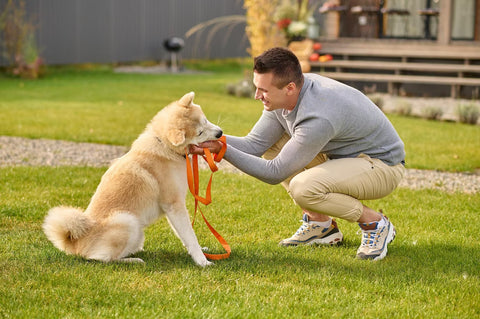
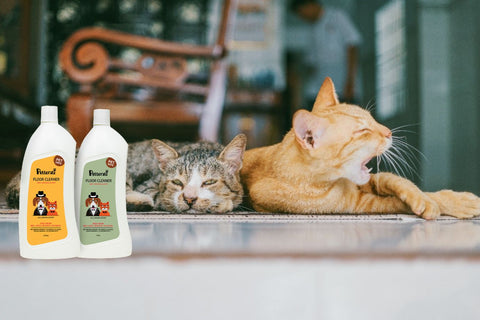
Your dog walks on the floor, sleeps on it and licks their paws after every walk across it. That makes your floor cleaner one of the products your pet is exposed to most. Many regular floor cleaners contain ingredients that are fine for people but can irritate a dog's or cat's paws, skin and stomach when they are licked off. Here is how to tell whether a floor cleaner is pet-safe, which ingredients to avoid and how to clean so your home stays fresh without putting your pet at risk.
What is a pet-safe floor cleaner?
A pet-safe floor cleaner is one that cleans effectively without leaving harmful residue. Avoid phenol (phenyl), bleach, ammonia, pine oil and strong synthetic fragrances or essential oils, and use any cleaner diluted as directed. Rinse with plain water, let the floor dry completely before your pet walks on it, and wipe your pet's paws after walks and mopping.
Why Floor Cleaners Matter More When You Have Pets
Pets are much closer to the floor than we are. Their paw pads, belly and coat touch freshly cleaned surfaces, and whatever residue is left behind is often licked off later. Puppies and kittens also chew and lick things they find on the floor. Strong fumes can bother a pet's sensitive nose too, especially in small, closed rooms. None of this means you need to stop cleaning. It means choosing the right product, using less of it and making sure surfaces are rinsed and dry.
Floor Cleaner Ingredients to Avoid Around Pets
| Ingredient | Often found in | Why it is a concern |
|---|---|---|
| Phenol / phenyl | Phenyl liquids, some disinfectant cleaners | Can irritate skin and paws; cats are especially sensitive to phenols |
| Bleach (sodium hypochlorite) | Disinfectant and whitening cleaners | Strong fumes; concentrated residue can irritate paws and the mouth |
| Ammonia | Glass and multi-surface cleaners | Harsh fumes that irritate the nose and airways |
| Quaternary ammonium compounds (e.g. BKC) | Many antibacterial floor cleaners | Wet residue can irritate the mouth and stomach if licked |
| Pine oil | Pine-scented cleaners | Can be harmful to cats in particular |
| Tea tree and other strong essential oils | "Natural" or scented cleaners | Some essential oils are toxic to dogs and cats, even in small amounts |
| Heavy synthetic fragrance | Most scented floor cleaners | Can overwhelm sensitive noses and irritate skin |
Want to understand the difference between common disinfectant actives? Read BKC vs CHG in cleaners and disinfectants.
How to Choose a Pet-Safe Floor Cleaner: Label Checklist
- A full ingredient list, not just "fragrance" or "active agents".
- Free from phenol, bleach, ammonia and pine oil.
- Mild or no fragrance, with no tea tree or eucalyptus oil.
- Clear dilution instructions, so you are not using more than you need.
- Stated as safe for homes with pets, ideally with a note on keeping pets away until dry.
Simple, Pet-Safe Ways to Clean Your Floors
- Sweep or vacuum first. Removing loose hair and dirt means you need less cleaner.
- Use a gentle solution. Warm water with a few drops of mild, unscented dish soap works well on most floors. For tiles and vinyl, about 1 cup of white vinegar in 4 litres of water also works (not on marble or natural stone).
- Dilute any store-bought cleaner exactly as directed. More cleaner does not mean cleaner floors, only more residue.
- Rinse. A second mop with plain water removes most of what is left behind.
- Keep pets out until the floor is completely dry. Open a window or switch on a fan to speed it up.
- Store cleaners out of reach, with lids tightly closed.
Don't Forget the Paws
Floors are only half the story. Your dog brings dirt, germs and chemicals from roads and parks into your home on their paws, and then licks them clean. Wiping paws after every walk keeps both your pet and your floors cleaner. A damp cloth works for everyday dirt. For muddy paws or a smelly coat between baths, a waterless dog shampoo lets you clean without a full bath. After walks in wet grass or rain, read our guide on whether to bathe your dog more after wet walks.

Clean Paws and Coat Between Baths
Spray on, wipe off. Oatmeal, Manuka Honey and Green Apple clean and freshen your dog's paws and coat without a full bath. Sulphate and paraben free.
Shop Waterless Dog Shampoo →Extra Care If You Have Cats
Cats groom themselves constantly, so anything on their paws or fur ends up in their mouth. They are also more sensitive than dogs to some chemicals, including phenols and certain essential oils. If you share your home with a cat, keep to the gentlest cleaning options above and always let floors dry fully before your cat walks on them.
When to Call Your Vet
Call your vet if your pet licks or chews their paws after walking on a cleaned floor, has red or swollen paw pads, drools, paws at their mouth, vomits or has trouble breathing. Rinse their paws with plain water and keep the cleaner's label handy so you can tell the vet what was used. Persistent paw licking can also be a sign of itchy skin, covered in our guide to itchy skin in dogs.
Frequently Asked Questions
Is phenyl safe for dogs and cats?
It is best avoided. Phenyl and other phenol-based cleaners can irritate paws and skin, and cats are especially sensitive to phenols. If you use one, dilute it as directed, rinse with plain water and keep pets away until the floor is completely dry.
Is vinegar safe to clean floors around pets?
Yes, diluted white vinegar (about 1 cup in 4 litres of water) is a common pet-safe option for tiles and vinyl. Avoid it on marble, granite and other natural stone, as the acid can etch the surface.
Can I use bleach if I have a dog?
Only when you need to disinfect, for example after illness. Dilute it as the label directs, never mix it with other cleaners, rinse with plain water, ventilate the room and keep your pet out until the floor is dry.
How long should I keep my pet off a freshly mopped floor?
Until it is completely dry, usually 15 to 30 minutes with a fan or open window. Most problems happen when pets walk on wet floors and then lick their paws.
What are the signs my pet reacted to a floor cleaner?
Licking or chewing the paws, red or swollen paw pads, drooling, pawing at the mouth, vomiting or sneezing. Wash the paws with plain water and call your vet if signs don't settle quickly.